
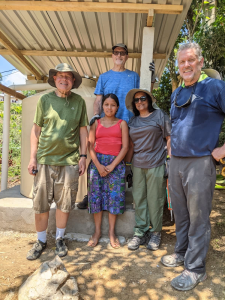
It’s been 50 days since our team said our cheerful (and tearful) goodbyes to the Maya villagers of Montenegro. The 17 of us all made it back safely and returned to our everyday lives, each with our own special memories of the country and village we served. In the meantime another West Seattle-based team of 14, co-led by my brother Greg and another fellow also named Greg (MacKenzie), completed the installation of about 40 of 120 water storage tanks/catchment systems in another village the week before last, saving the villagers the long walk to the river during their dry season. (The remainder of these systems one for each household, will be installed by the villagers themselves and the Hands for Peacemaking staff in the weeks ahead).
I was chatting with one of the faithful readers of this blog at Marine View Church in Tacoma on Sunday, briefing her a little on our mission trip, and she mentioned that I never provided a final update on how we finished up! Yes my bad and so noted, Sheila, and as it turns out your request was a very timely one for just today we received more photos and information via Marco of some special deliveries in Montenegro.
It’s always easier to write when the information is fresh so I’ll rely both on both memory and a review of our team’s WhatsApp messages for my recap. The messaging app we use for internal team communication has been mostly dormant for weeks, but tonight it started buzzing again with news that some of the “extras” we were able to fund for the village had arrived. We were blessed with enough funding this year to cover several items beyond the stoves and water filters we installed, mostly stuff for the school where we’d stayed. The first request was to leave the two Hands for Peacemaking showers (with hot water on demand) behind for teacher use, which we did.
Other items included improvements to the community’s water system, including a 2,500 liter water tank for the school, library books and more school supplies, three additional water filters, a file cabinet, three classroom white boards, three teacher desks, a printer and a freezer. These will all make life a little easier for the villagers and help improve the educational environment at the school. (Schools in Guatemala, espeially in the far rural areas where we work, often lack for adequate government support).
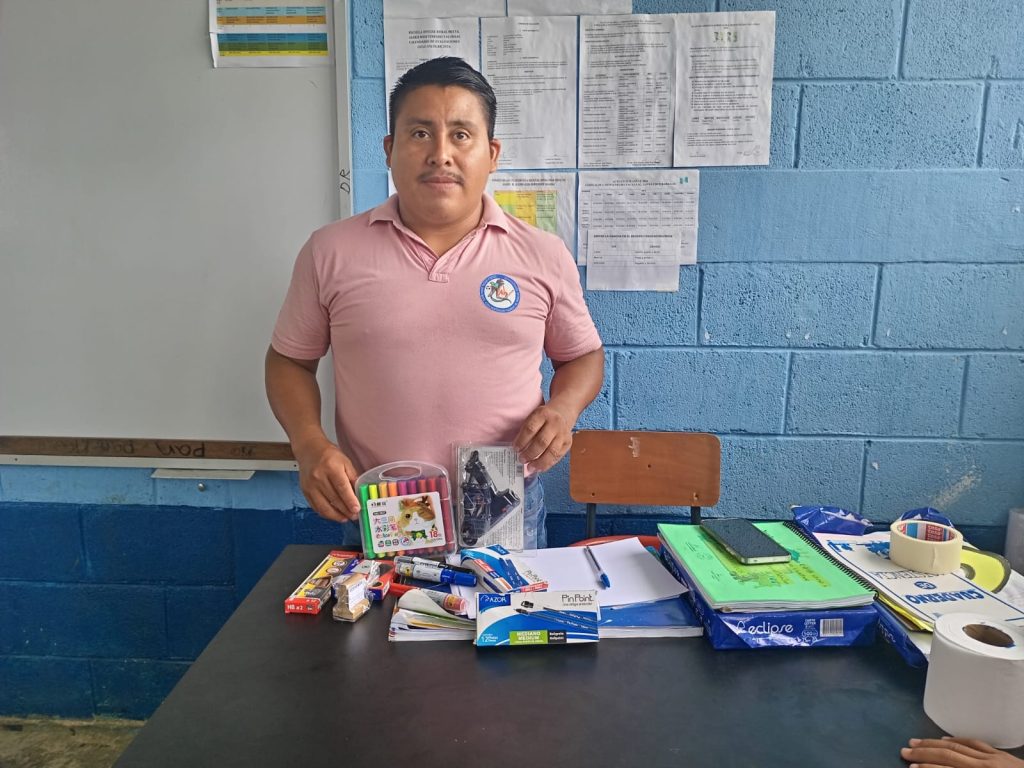
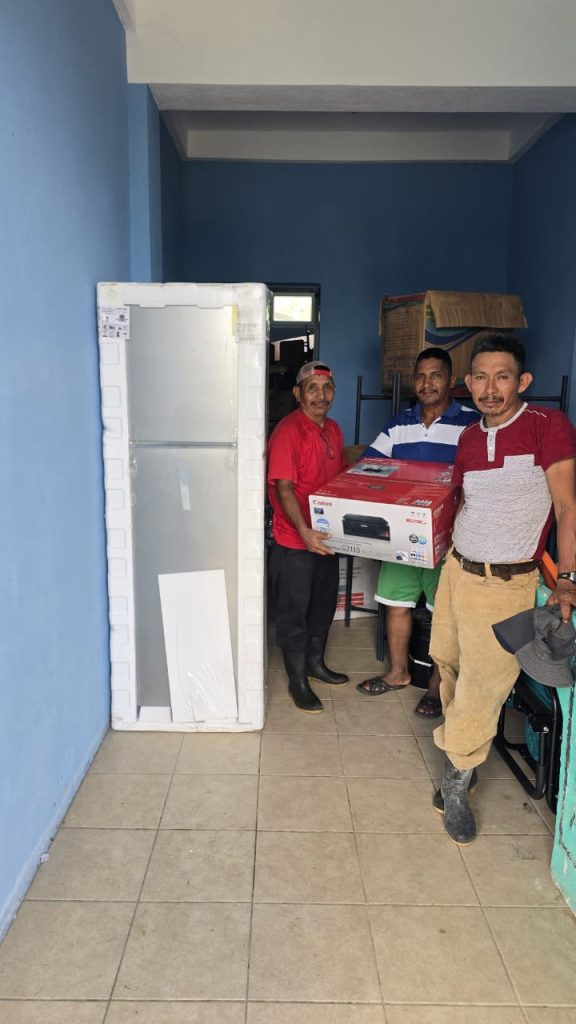
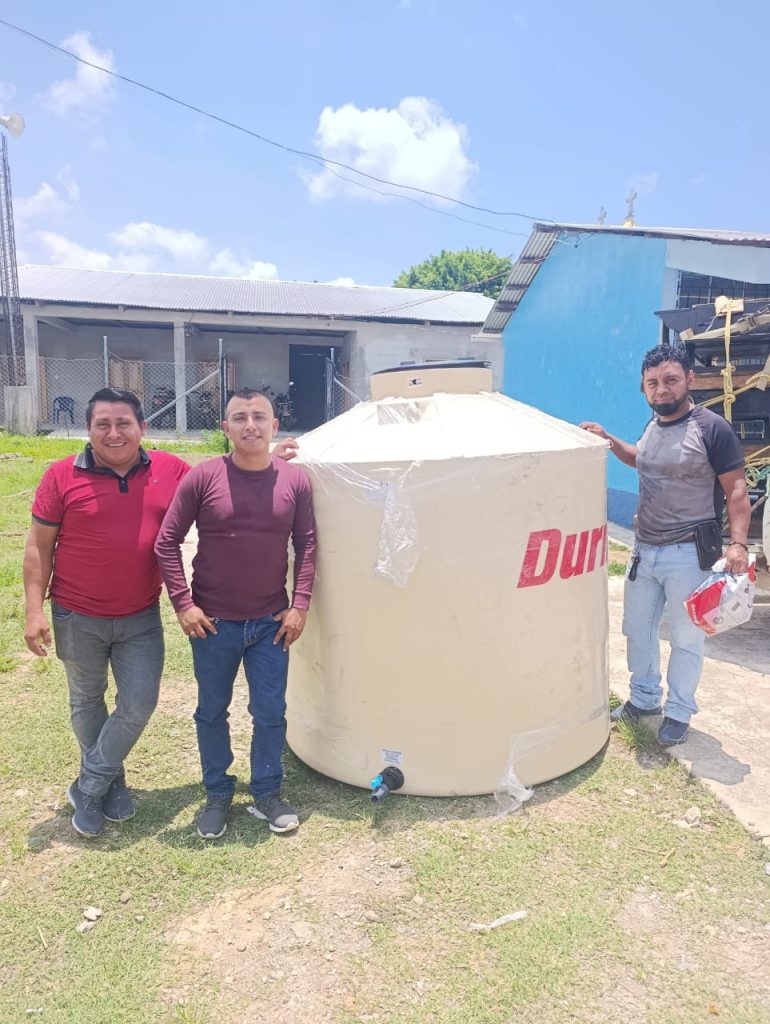
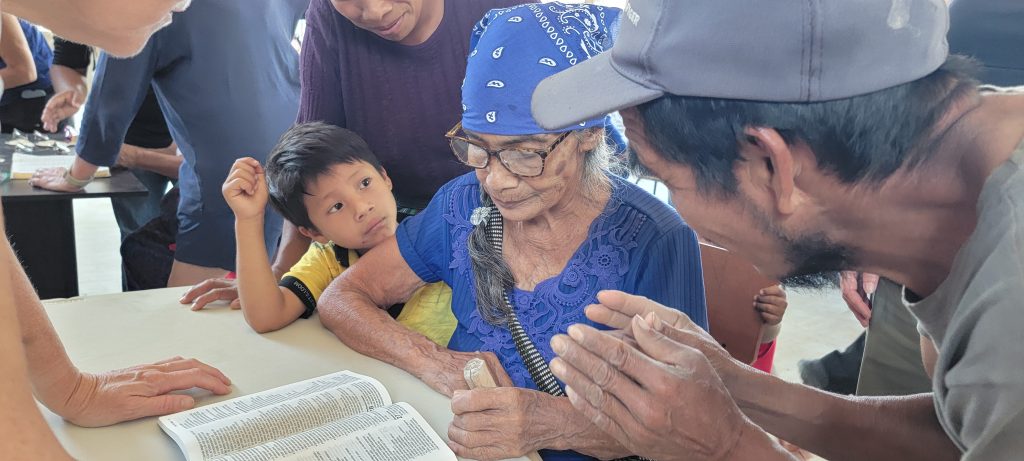
One of my personal favorite parts of the mission, beyond completing our work and interacting with the children, is distributing reading glasses to those in need, which we did our final day. These year we were able to purchase a few hundred pair of readers from a humanitarian organization in that business to replenish our supply. While it can be a struggle to find just the right pair for some, the smiles on their faces when we are able to do so is incredible! Imagine being late in life and being able to thread a needle or read a book for the first time in a long time. It is another area where we can truly make a difference.
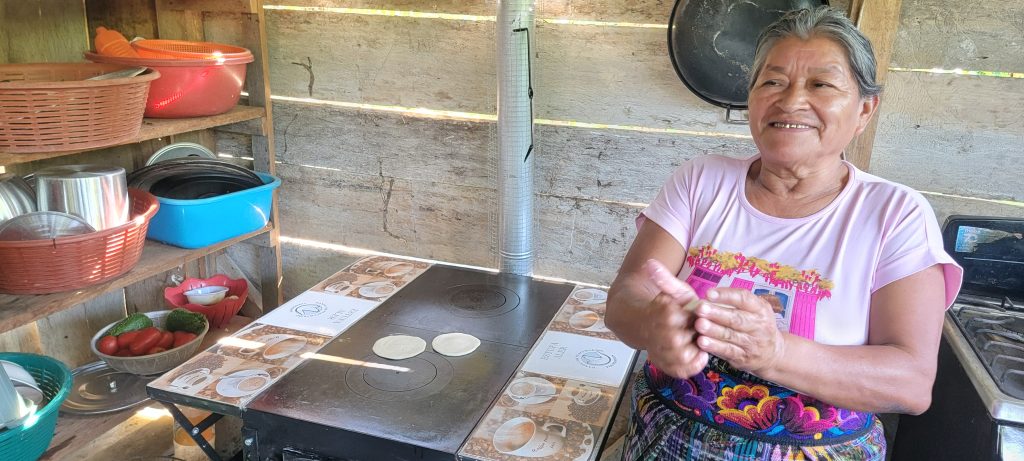
On the last day we a few of us walked down the road for a demonstration of one of our newly installed stoves, with tiles and fully lit, with two women pounding out tortillas for their morning breakfast. This is always another highlight.
After distributing the glasses we said our farewells to the villagers in an emotional closing ceremony, then boarded our charter bus for the long, bumpy drive back to Barillas. Mimi had left early that morning so she could start a few loads of our laundry while Elena and Suzanna stayed behind to serve us breakfast and clean up the dining area. The rest of the industrious Hands for Peacemaking staff packed up mattresses, bedding, cots and other materials to haul back in the trucks, so we left the village just as it had been before, only much improved!
After a delicious lunch brought in from a local pizzaria (in Barillas!) we organized our things once more and took off for the bustling city of Huehuetenango, where we finally arrived late that night and enjoyed flavorful pieces of chicken from Pollo Campero, kind of the KFC of Guatemala (only in many people’s opinions, including mine, much better). Our trip over the high, dark mountain pass was delayed a bit as we descended into the city by a serious traffic accident – our driver had to thread his way between two stalled vehicles and later showed us a slight scratch in his beautiful (newer) bus as a result. He makes the long trip pretty much daily so is quite used to navigating the twisty, tight terrain but it is always a bit hairy to those of us who are accustomed to the far tamer roads we travel in the U.S.
The next day our team traveled to Panajachel, a popular tourist town alongside the glistening Lake Atitlan, a distance of another several hours but shortened by the fact we had a jump ahead by leaving early from Barillas. Typically we do all that travel in a day, but it’s a very long one.
As we celebrated our success over a waterside lunch that day I took a phone call from Spokane as I knew it would be bad news. Calling was the son of the former pastor at Marine View, Jon Schmick, with word that his father had succumbed earlier that day to an aggressive form of brain cancer at age 78. Although Jon had retired 13 years before, I had become close to him through our many bike rides together in the final years of his pastorhood and continued to ride with him from time to time around the hills of the Palouse and in western Washington when he made the trip over to see his mother in Tacoma. Thankfully I had the chance to visit with Jon three times in Spokane before he passed. In fact he’d texted me while I was in Guatemala to let me know he was going to get a tatoo on his leg that said “just one more day.” He’d startled everyone by outliving his doctors’ predictions by a few weeks, even riding his indoor trainer bike 16 miles on the Wednesday and Thursday before he passed on virtual courses in Italy, and another 10 miles just that morning before going out to do some chores in his yard. Jon had been to Guatemala five times on Marine View mission trips between 1995 and 2012, and was always eager to get reports from me on our work there. So it was with great sadness that I returned to my cold plate of food then left with the team. For anyone interested, a Celebration of Life gathering for Jon will be at Marine View at 6 p.m. on Wednesday, June 10. I plan to share a few words and photos of our time together, including our one trip to Guatemala – his last and my first.
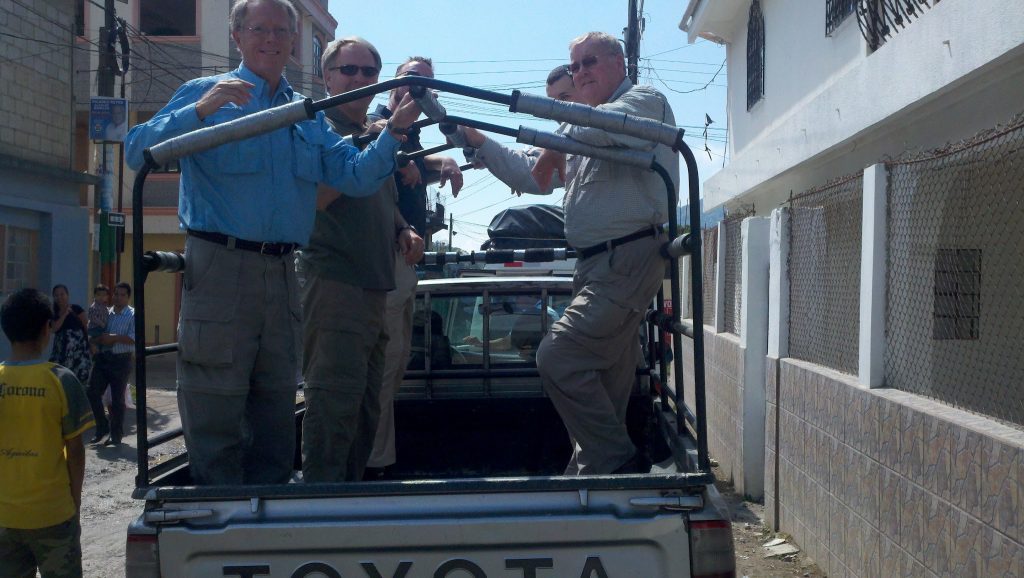
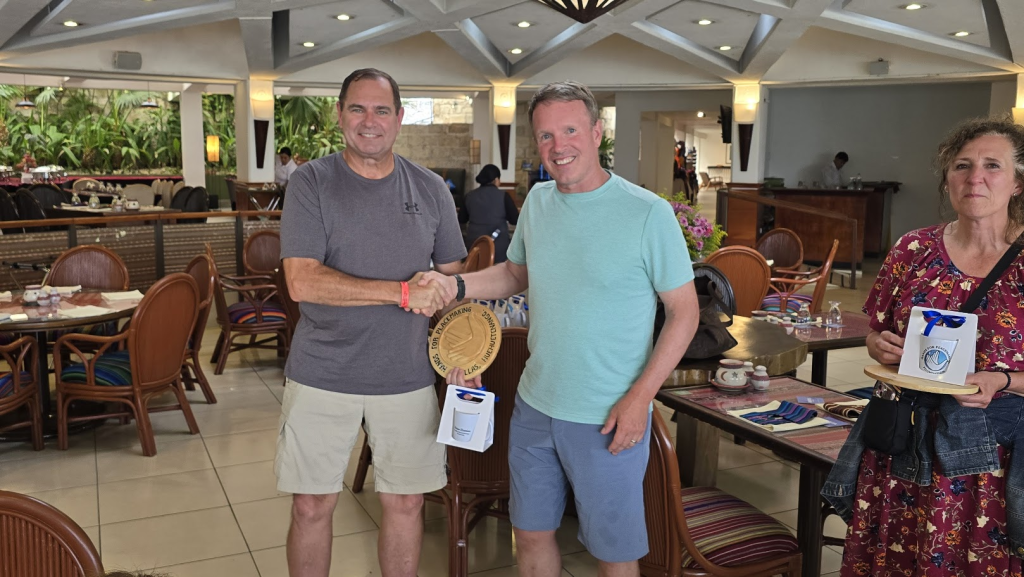
We finished our day in Panajachel with shopping and hanging out at our hotel nearby, then arose the next morning to take a boat trip across the lake to the tourist town of San Juan La Laguna, a vibrant, artsy Maya village on the southwestern shore. The previous year our team had crowded aboard a boat that was slightly too small for all of us when big winds picked up and things became, well, a little sporty. This year the boat was just the right size and the water remained reasonably calm during our crossing. We then had a final luncheon, where new team members received plaques of recognition and veterans received souvenir mugs.
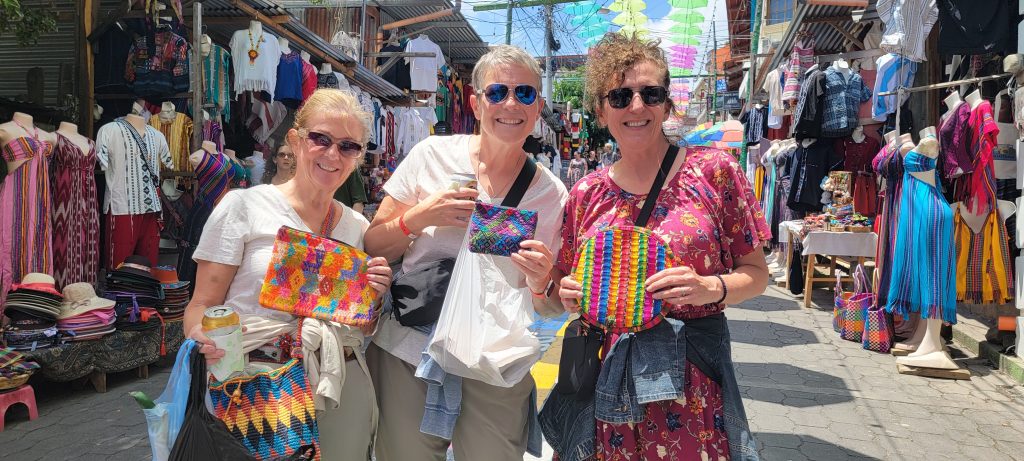
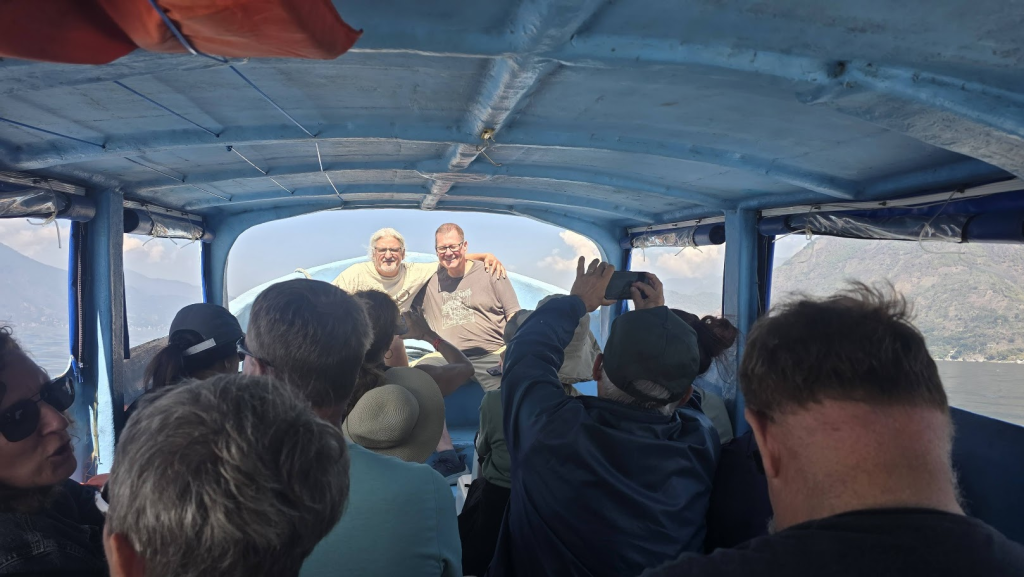
The only other weird thing that happened this trip was later that evening when we were just blocks away from our hotel in Guatemala City when the bus was forced to stop in traffic. We looked out and could see runners going by – at first dozens, then hundreds then thousands. A big foot race in Guatemala City at night was holding us up, and we had to wait it out. Even after all of the runners had passed the streets were still congested to the point where we had to get off the bus and walk the final couple of blocks to our hotel.
Most of our team left for the airport early the next morning, but three of us stayed behind. We attended an English language church in Guatemala City that morning. Jeff stayed in Guatemala City to fly out Monday (he got a better deal on the flight) but Curtis and I would join Marco and Alex to climb the 13,100 foot Volcano Acetenango, about an hour’s drive from the historic city of Antigua where we stayed Sunday night. Our guide picked us up Monday morning and drove us to the base of the mountain and set out to make the first day’s climb to the 11,400-foot base camp, a six-hour hike that proved especially arduous for me. Curtis, who has climbed all of the highest peaks in Washington, encouraged me by “forcing” me to drink lots of water, sharing some mountaineering stepping tricks and generally egging me on. Marco encouraged me by yelling “Go Cougs” at nearly every rest point, a phrase I had taught him earlier in the trip because, well we WSU Cougs say it a lot. But often my thoughts turned to Pastor Schmick, who climbed many mountains himself, knowing how he may be looking down to offer his own words of encouragement. So I finally made it to base camp, where we were treated to spectacular views of the volcano adjacent to us erupting about every minute or so (Marco was timing it), with major eruptions about every five minutes. Worth every step. We arose early the next morning, donned headlamps, and made the final push to the summit, again with me lagging behind but finally making it to the top just in time for sunrise in the windy and chilly air.
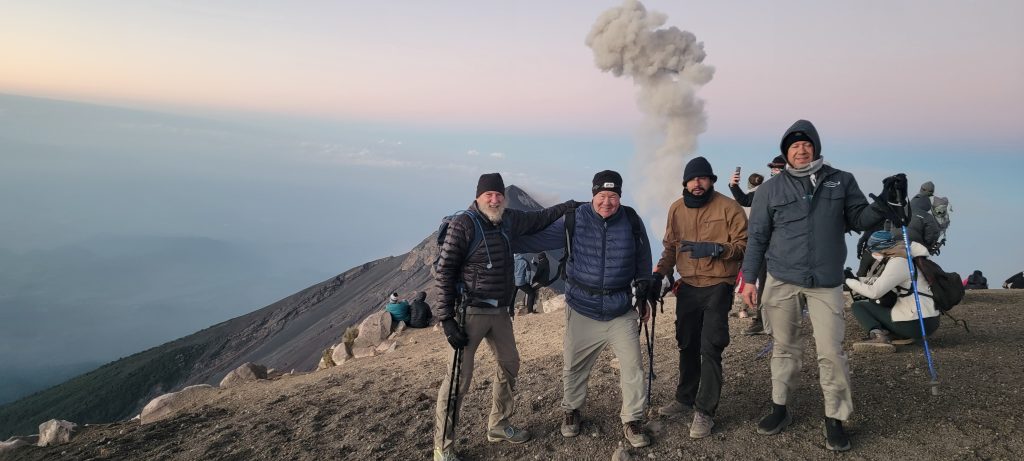
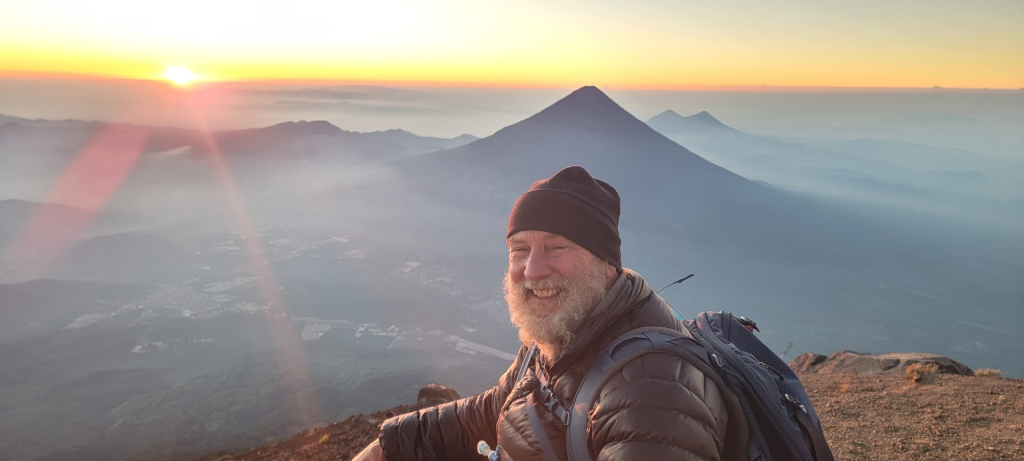
So this was a mission to remember, both with the success of our trip, the comradery of our team, and the blessings of God throughout our time and in ensuring our safe return home. Now with 11 trips behind me, a dozen if you count the year we couldn’t go due to COVID but still managed to fund the work, I wonder as always if there is another one in me. Then I think about the joy and rewards both to the villagers and ourselves, the love and the sharing and I am inspired to go again. Many of this year’s team members also say they want to return. Who else is with us?
With many blessings and thanks to you all for your continual support,
Brian
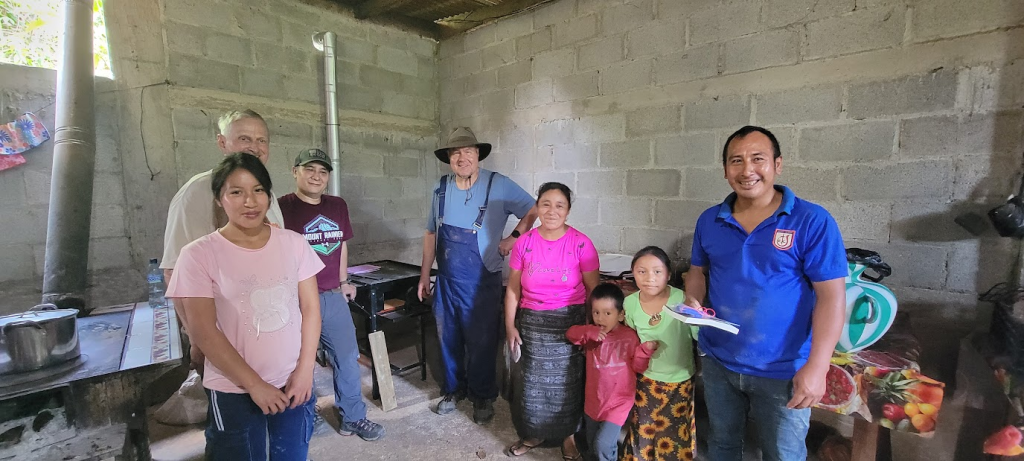
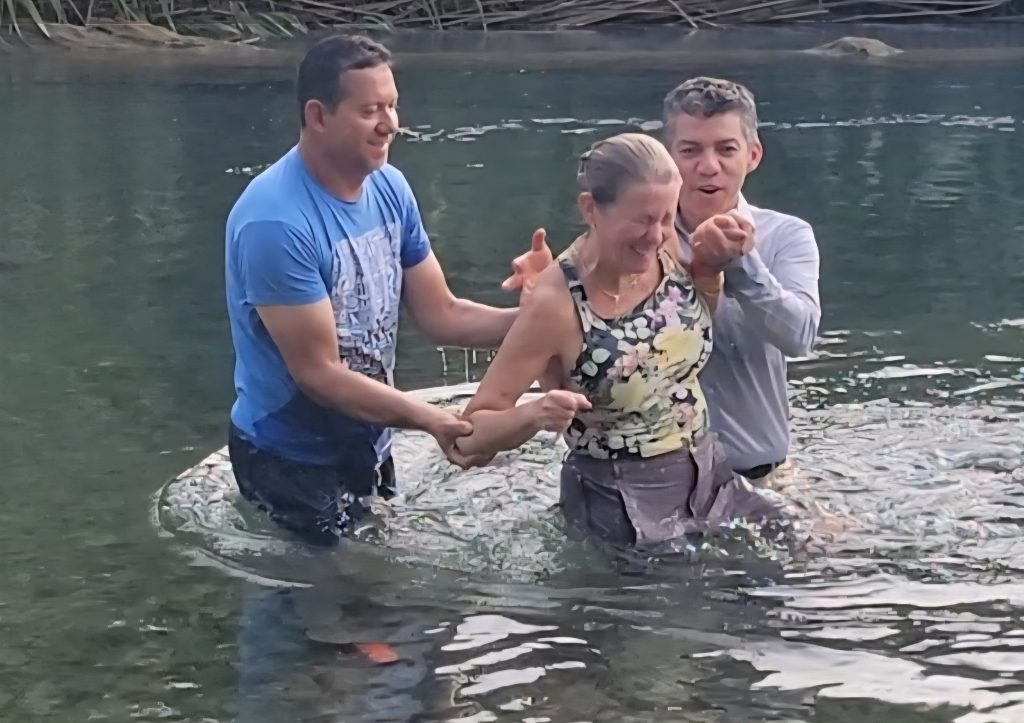
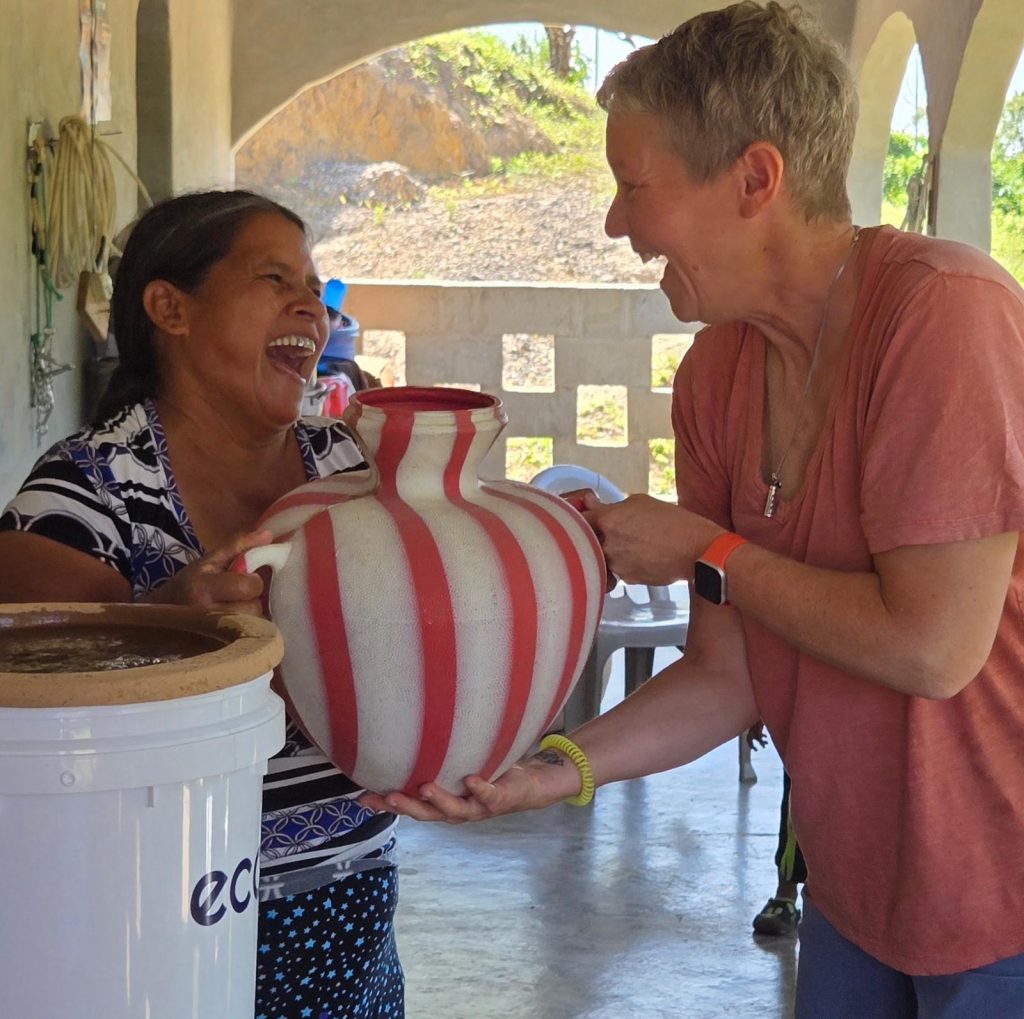
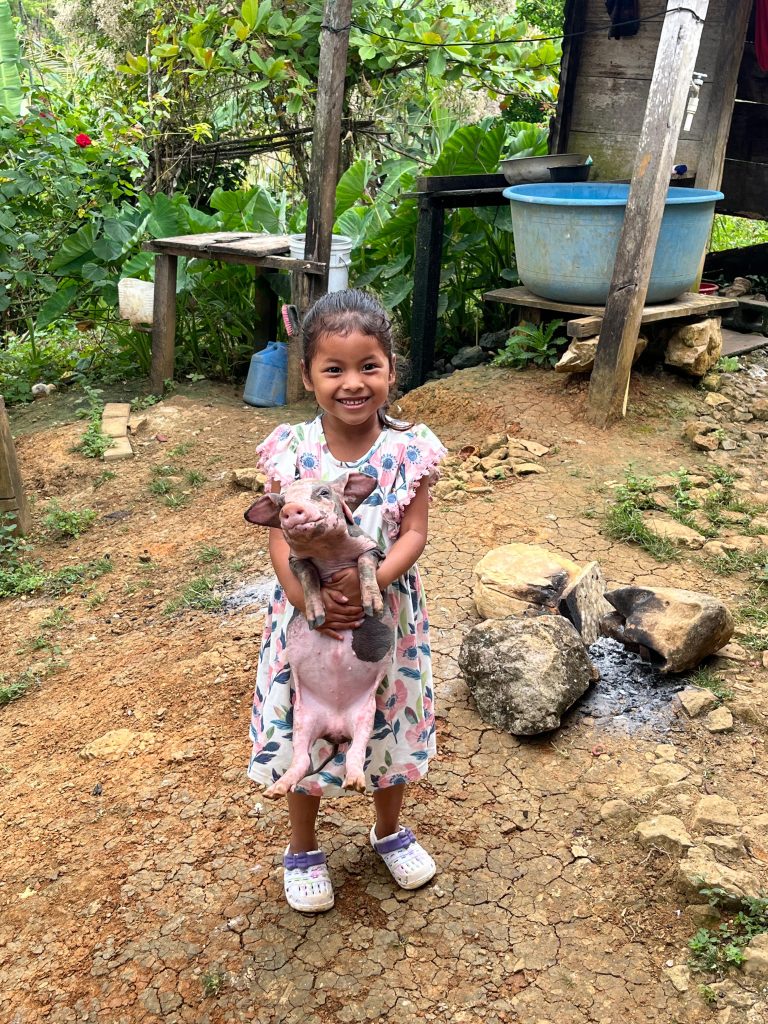
P.S. Christie Lindstrand on our team initiatiated a team photo contest! I can’t recall which ones won, but I think these three:
Great report of your amazing trip. Thanks for sharing.
Thanks, Brian, for “the rest of the story”. Congrats to the team for a job well done.
Great Job Brian
nice picture , the team looks very happy
Well done!
Thank you for sharing
Paul an Maria Tracy